CLIMATE
Geothermal Energy and Climate Change
The use of energy resources has a significant impact on planet Earth. The massive use of fossil fuels such as coal, oil, and natural gas releases large quantities of climate-altering gases into the atmosphere, including carbon dioxide (CO₂) and methane (CH₄).
CO₂ is the main contributor to the increase in the greenhouse effect, a phenomenon that traps the sun’s heat and contributes to global warming. However, methane, although present in smaller quantities, has a high climate-altering potential, especially over limited time frames (methane has a warming potential about 80 times higher than CO₂ over a 20-year period).
Reducing climate-altering gas emissions is essential to mitigate climate change and global warming.
The Increase in Global Temperature
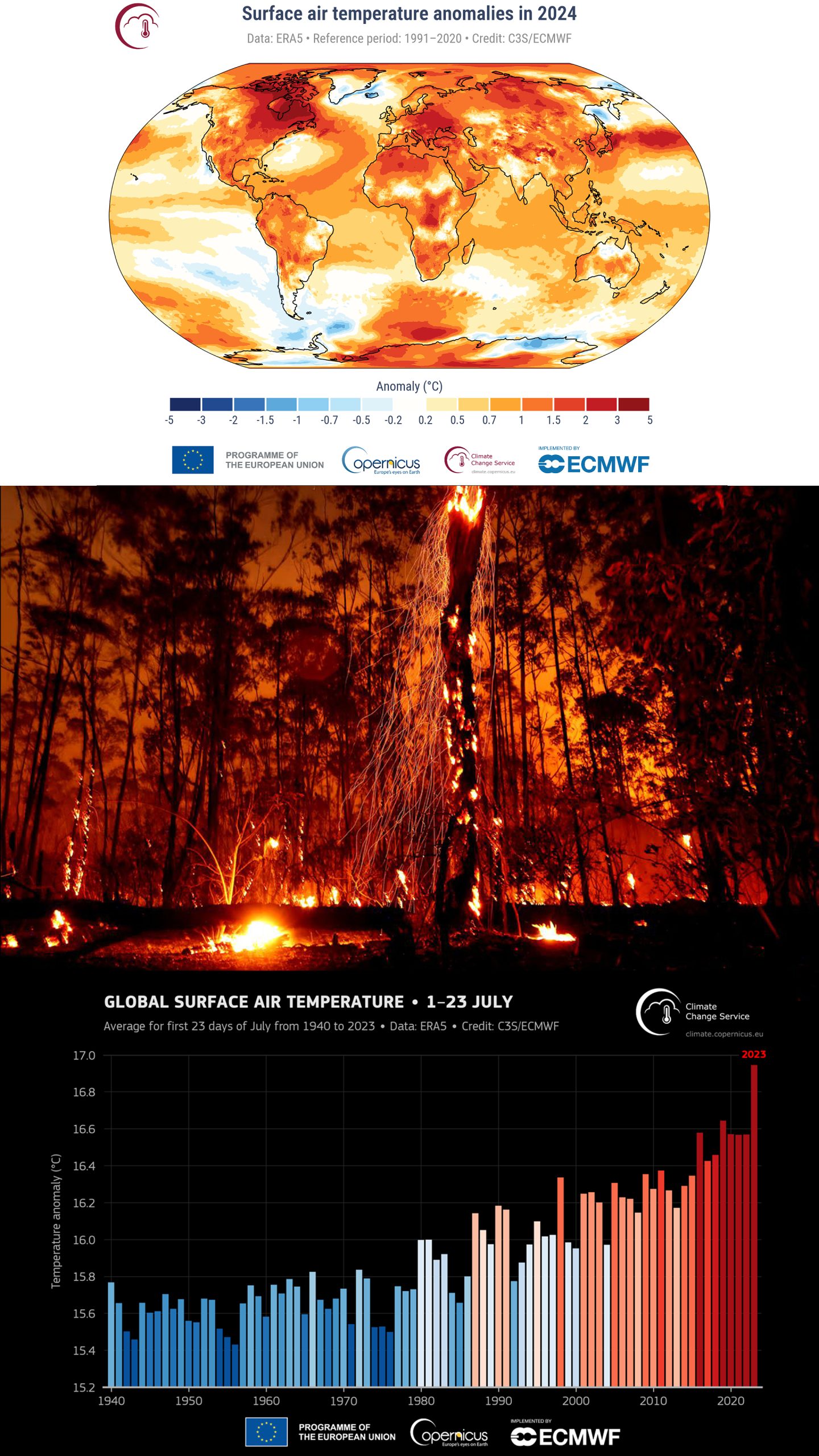
In recent decades, the global average temperature has increased alarmingly.
This increase is well documented by numerous infographics and scientific studies. The consequences are evident: melting glaciers, rising sea levels, more frequent and intense extreme weather events, and alterations to ecosystems.
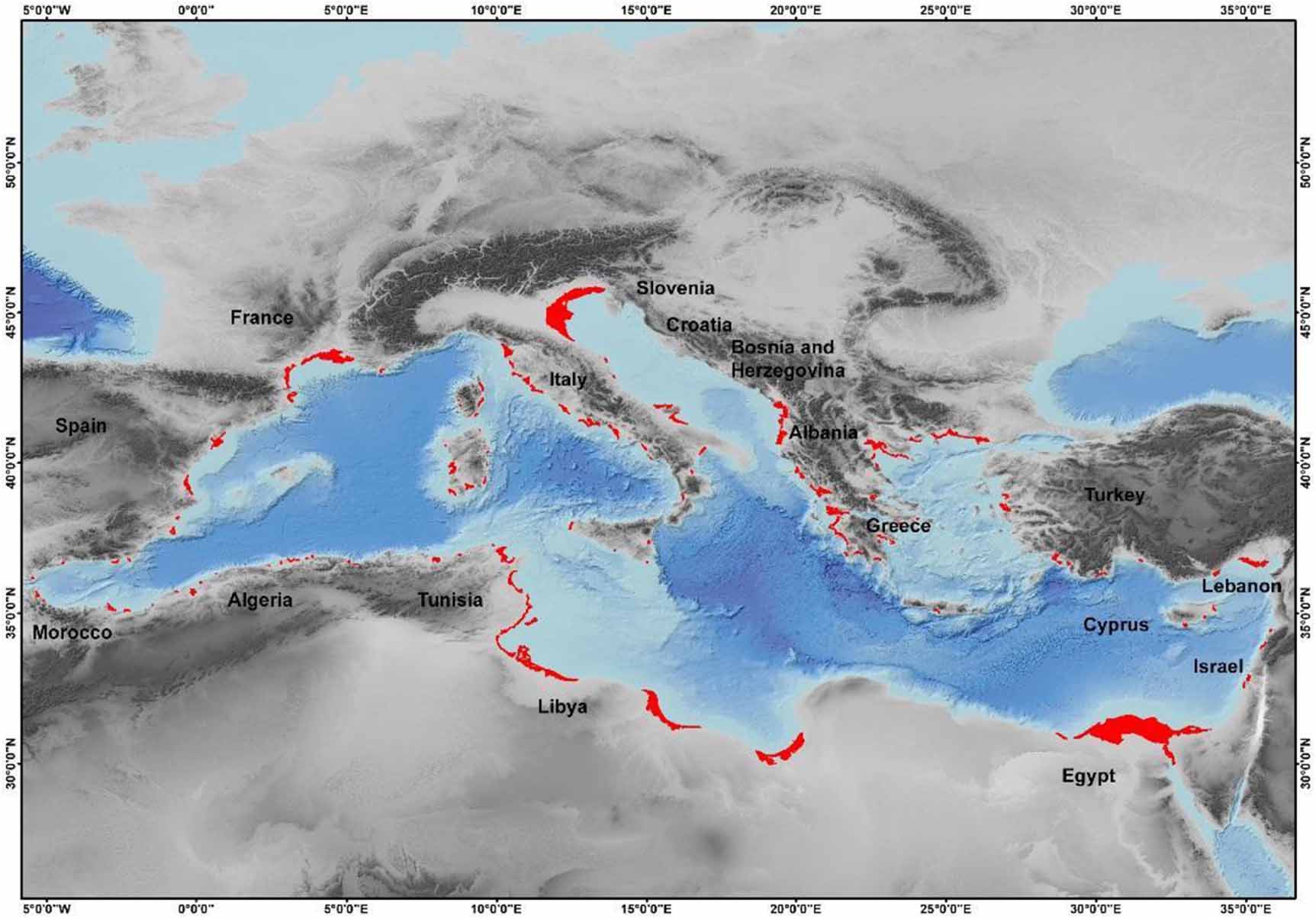
Projections of sea level rise along Mediterranean coasts for the years 2030-2150 (Vecchio A., Anzidei M., Serpelloni E., Environ. Res. Lett. 19 014050)
International Climate Commitments
The international community is aware of the gravity of the situation and has adopted several agreements to address the problem. The Paris Agreement, signed in 2015, is one of the most important. This agreement aims to limit the increase in global temperature to less than 2°C above pre-industrial levels, with the goal of keeping it below 1.5°C. To achieve this goal, many countries have committed to reducing their greenhouse gas emissions and investing in renewable energy sources, such as geothermal energy.
Geothermal energy can represent a valid choice in climate change mitigation processes.
Reducing dependence on fossil sources means contributing to actions of transition towards sustainable resources and safeguarding planet Earth for future generations. Geothermal energy is also a resource that could contribute to the energy autonomy of many communities, interrupting or limiting dependence on fossil fuels.